
Beyond the Group Chat: The Technology Required to Build Scalable Founder and Entrepreneur Networks
A WhatsApp group of 200 members cannot be called a professional community; it is nothing more than chaos in a chat room. In order for companies to expand their B2B communities through basic communication tools, they will find themselves facing the wall of lost data and operational inefficiency. We will discuss the backend infrastructure that needs to be in place for building such a community platform.
By Isaii Team · Related to Founders Sangam — Community for Founders

The "Group Chat" Ceiling
It is extremely easy to create a community through starting a group chat via WhatsApp or Telegram. Just five seconds and all people have the apps already. For five founders of a local mastermind, it works great.
However, what about 50 founders? And 500?
There will be the "Group Chat Ceiling." And it is inevitable. The platform will immediately degrade into chaos.
-
Knowledge Black Hole: A smart idea of the way how to comply with regional taxes is being discussed on Tuesday. But by Thursday, it was buried under 400 other irrelevant messages. Members do not get access to knowledge from the past. Searching for the archives is a nightmare.
-
Notification Chaos: In order to survive the never-ending bombardment of pings, the executives are muting the chat. When the chat is muted, participation falls dramatically and the community dies.
-
No Structure: It is impossible to distinguish networking from more technical discussions. Everyone is supposed to shout in the same virtual room.
Chatting software supports real-time conversations while community requires structured and asynchronous cooperation.
> Three Architectural Pillars for a True Community
In order to build a scalable network with high-quality members, you have to move from chatting to developing an advanced web application.
As we design digital communities at Isaii Technologies, there are three technical pillars that are non-negotiable:
-
- The Dynamic Member Directory
While in a chat application, the member is a name and a phone number only. The Member Directory in our customized Isaii web application is a fully searchable database. The members may sort the network by the industry, company size, particular expertise ("Looking for someone with Series A fundraising experience"), geographical region.
- The Dynamic Member Directory
-
- Categorized Knowledge Repositories
In addition to a scrolling feed with posts, the system should be designed in such a way that it enables categorical forums and resources library. Each time a member uploads the document, whether it is a legal template or a market analysis report, it becomes indexed and stored forever in a searchable database. Thus, the community transforms into a knowledge library with proprietary business intelligence.
- Categorized Knowledge Repositories
-
- Integrated Event Management
The key driver of any B2B community is its events—be it webinars or meetups. Third-party links (Eventbrite) may create additional hassle. The custom platform allows managing the events natively. The members may RSVP, get the attendee list and access event recordings through the community portal.
- Integrated Event Management
> Engage by Engineering
When you give the business leaders a well-engineered, elegant, and intuitively designed digital platform, they get engaged. They get involved and help create real value.
Such high-end infrastructure needs well-engineered web development, security and data management through databases, and elegant and impeccable UI/UX. Such infrastructure cannot be built using any generic plugins.
Upgrade your network. Your professional community needs more than just the group chat if it has evolved beyond that. Find out how custom Web Application Development can help in achieving that at isaii.in.
Next step
Interested in working together?
Tell us about your product or idea — we'd love to hear from you.
Continue reading
More articles
Web Application
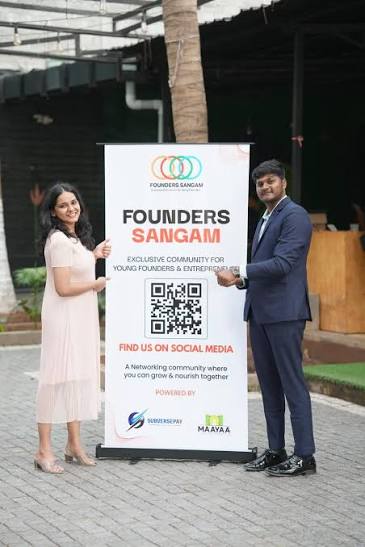
Building the 'Founders Sangam': How Custom Web Platforms Drive Meaningful Professional CollaborationGet a unique insight into the creation process of “Founders Sangam,” a tailor-made community portal by Isaii Technologies. Discover how the custom web development approach has been leveraged to build stronger ties, organize unique events, and ensure sustained growth for entrepreneurs in the region.
4 Min Read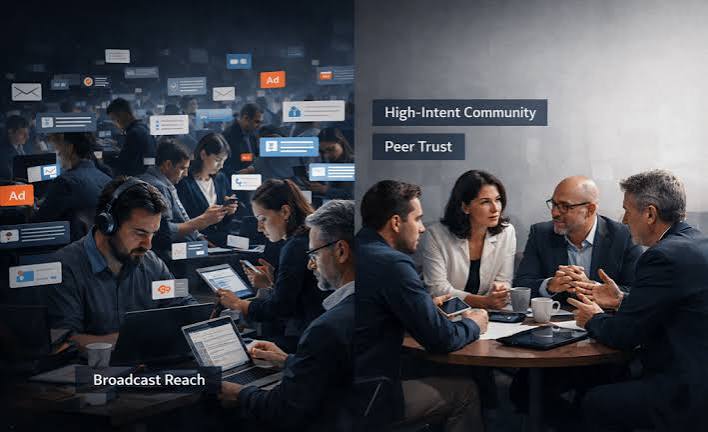
Web Application
The Death of the Public Forum: Why Niche, Private Digital Communities Are the Future of B2B NetworkingOnce considered the ideal choice for B2B networking through the use of public platforms such as LinkedIn, the same is now swamped with algorithmic spam and sales messages. Find out why the elite in business are leaving the public platforms behind and moving into private communities that have been custom designed just for them.
4 Min Read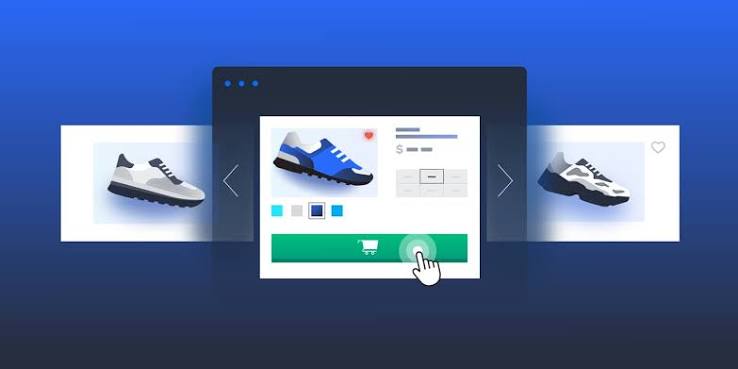
Web Application
Frictionless Checkout: Lessons in UI/UX from High-Conversion Custom Web StoresYou’ve invested marketing budget to bring the user to your site, and that person has been successful in putting something into his/her cart. However, about 70% of those people will exit without making payment. Cart abandonment is the secret enemy of retailing. Unravel the psychological nuances of the checkout process, the threat of using strict templates, and the power of custom UI/UX design.
4 Min Read