
Frictionless Checkout: Lessons in UI/UX from High-Conversion Custom Web Stores
You’ve invested marketing budget to bring the user to your site, and that person has been successful in putting something into his/her cart. However, about 70% of those people will exit without making payment. Cart abandonment is the secret enemy of retailing. Unravel the psychological nuances of the checkout process, the threat of using strict templates, and the power of custom UI/UX design.
By Isaii Team · Related to Designed to Sell Better
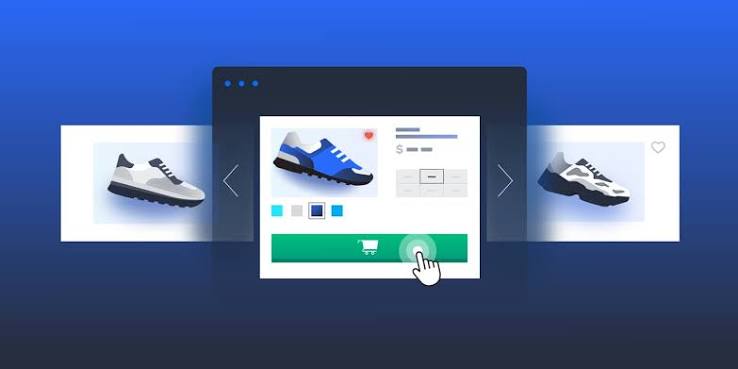
The Silent Killer: Cart Abandonment
The average cart abandonment rate globally stands at a startling 70%. Just visualize a supermarket in which seven out of every ten shoppers would take their shopping baskets, proceed to the cashier, and then leave without saying anything.
While some of that abandonment is expected behavior (users checking final price, or holding products for future purchase), the lion’s share of it comes from bad UI/UX experience – poor design of user interface and user experience.
As soon as businesses opt for generic SaaS platforms to set up their e-commerce website, they are forced to follow the default checkout process provided by the platform. These processes have been notoriously inflexible. They tend to force the customer to sign up an account before making the purchase, have messy mobile designs, and force users to re-enter their billing and shipping info in separate pages which take additional time to load.
Every single additional click, every required field, and every second of delay is an enormous source of friction.
> Psychology of Frictionless Design
UI/UX design is more than creating a visually appealing website; it involves designing human behavior.
Here at Isaii Technologies, we take a psychological approach when designing and developing the structure of e-commerce, with the help of state-of-the-art prototype tools such as Figma and Adobe XD, in order to get the user from “Intent” to “Purchase” with no friction at all.
This is how custom UI/UX design actually creates revenue for businesses:
-
The Single Page Application (SPA) Checkout Process: Rather than making users jump across four web pages in order to finalize their transaction, custom-built architecture (using modern-day frameworks such as React or Flutter for mobile apps) processes all the checkout transactions on a single page.
-
Micro-interactions and Trust Signals: A custom build enables the designer to integrate trust signals right at the places that create doubts in the mind of the user. If a user stops at the point of inserting the credit card details, a micro-interaction would help them notice the fact that the website is encrypted and safe to proceed with.
-
Hyper-localized payment gateways: There are times when generic platforms cannot do justice to the nuances of localized payment gateways. This can be achieved by building a custom application and integrating the payment gateway with localized payment systems (such as UPI systems in India).
> Built to Sell Better
The visual hierarchy of your website is what determines how the eyes—and money—of your potential customers will move. Generic templates limit your capacity for managing that hierarchy.
With Isaii Technologies' custom-built Web and Mobile Applications, all pixels are designed for a purpose—from the perfectly optimized product cards made possible through advanced CSS layouts to the conversion-maximized checkout processes, the whole digital ecosystem is Built to Sell Better.
Do not let poor design take away from your bottom line. Transform your brand's digital experience from a generic template into a conversion machine. Contact us at isaii.in today.
Next step
Interested in working together?
Tell us about your product or idea — we'd love to hear from you.
Continue reading
More articles
Web Application
Building the 'Founders Sangam': How Custom Web Platforms Drive Meaningful Professional CollaborationGet a unique insight into the creation process of “Founders Sangam,” a tailor-made community portal by Isaii Technologies. Discover how the custom web development approach has been leveraged to build stronger ties, organize unique events, and ensure sustained growth for entrepreneurs in the region.
4 Min Read
Web Application
Beyond the Group Chat: The Technology Required to Build Scalable Founder and Entrepreneur NetworksA WhatsApp group of 200 members cannot be called a professional community; it is nothing more than chaos in a chat room. In order for companies to expand their B2B communities through basic communication tools, they will find themselves facing the wall of lost data and operational inefficiency. We will discuss the backend infrastructure that needs to be in place for building such a community platform.
4 Min Read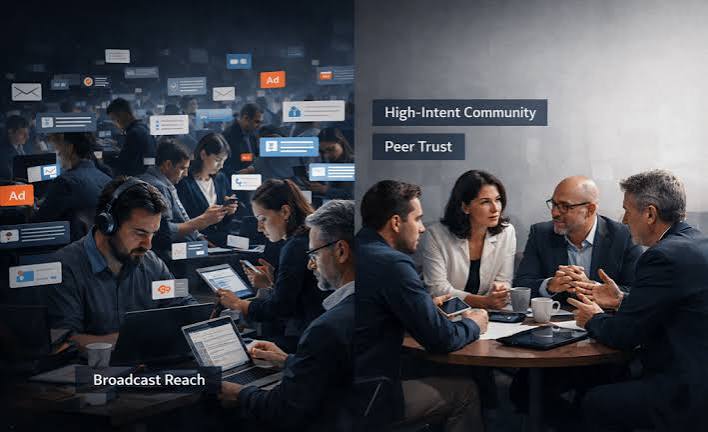
Web Application
The Death of the Public Forum: Why Niche, Private Digital Communities Are the Future of B2B NetworkingOnce considered the ideal choice for B2B networking through the use of public platforms such as LinkedIn, the same is now swamped with algorithmic spam and sales messages. Find out why the elite in business are leaving the public platforms behind and moving into private communities that have been custom designed just for them.
4 Min Read